Case Study
Workforce Efficiency Transformation
Integrated operational support to significantly reduce temporary staffing costs and optimise bank and agency use for Mid and South Essex NHS Foundation Trust.
ALL STAFFING GROUPS

£10m
net savings
133% of target
48%
agency spend reduction
100%
direct engagement efficiency
100%
bank + agency rate adherence
93%
of temp staffing use via bank
The results Litmus have achieved are exceptional and demonstrate their ability to drive impactful operational change with care, and realise significant cost savings.
Chief Executive Officer
Mid and South Essex NHS Foundation Trust
Mid and South Essex NHS Foundation Trust (MSEFT) is one of the largest in the country, with a workforce of around 15,000 who serve a population of over 1.2 million people.
In 2024, with a significant financial deficit, MSEFT was placed into NHS England’s Recovery Support Programme and challenging goals mandated to reduce overspending.
Litmus was appointed in December 2024 to support the Trust to reduce temporary staffing expenditure and deliver sustainable, risk-managed workforce savings and operational efficiencies.
Litmus committed to reduce temporary staffing costs by £7.5m within a year. Specific goals included:
Litmus worked in close collaboration with the Trust’s executive team to plan a broad program of operational change, successfully navigating and mitigating the risks associated with implementing new processes, policies and rate cards during the winter season.
Proposed pay rate adjustments were comprehensively risk profiled, with detailed data analysis and regional rate benchmarking. The sensitive process of communicating changes to managers and workers was also carefully planned to ensure their understanding and acceptance.
All planned changes were successfully implemented and delivered immediate savings with no perceived impact on fill rates or service levels. All monthly targets were consistently outperformed.
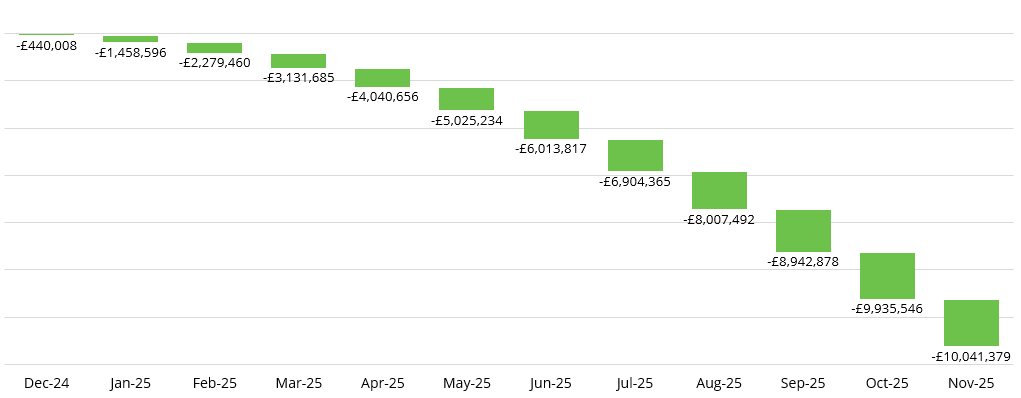
With a true ‘bank-first’ approach, bank fill has increased from 87% to 93% and agency use reduced to a necessary minimum. Overall, temporary staffing demand has also been reduced by 18%.
Talk to Litmus
Speak to Litmus about how we can support to transform temporary staffing control and reduce agency reliance.
 Proud to be part of the MGG Health family of brands